> For the complete documentation index, see [llms.txt](https://docs.ess-dive.lbl.gov/llms.txt). Markdown versions of documentation pages are available by appending `.md` to page URLs; this page is available as [Markdown](https://docs.ess-dive.lbl.gov/searching-and-accessing-data/data-access.md).
# Search for Data
### ESS-DIVE Overview
The ESS-DIVE main data portal (Figure 1) is made up of three sections - a search bar on the left, a dataset listing in the middle, and a map on the right.
By default, you will see all public datasets on ESS-DIVE. If you wish to view your unpublished datasets or download data, click on the “Sign in with Orcid” button in the top right corner and login with your ORCID credentials.

Previews of each dataset listed include citations in the format: **Authors (Publication Date): Dataset Title. Project. DOI or ESS-DIVE ID** (Figure 2).

There are various symbols that appear beneath the data citation (not all of them appear on all the datasets):
| Icon | Meaning |
| ----------------------------------------------------------------------------------------------------------------------------------------------------------------------------------------------------------------------------------------------------------------------------------------------------------------------------------- | ------------------------------------------------------------------------------------------------------------------------------------------------------------------------------------------------ |
| 
Orange lock
| The record is unpublished, and only visible to you when you are logged in with your ORCID account. If the lock is not visible, the dataset is public and can be viewed and downloaded by anyone. |
| 
Number with eye
| This refers to the number of times this dataset has been viewed. |
| 
i in circle (Info)
| Displays a preview of the dataset abstract. |
| 
Paper with table (Files)
| Indicates whether there are any data files associated with the dataset. If this icon is not visible, it means only metadata are available for the dataset. |
| 
Map marker
| Refers to how many other datasets are associated with that location. Hovering over this icon will highlight the corresponding location on the map. |
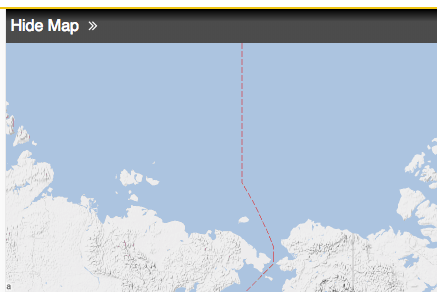
You can choose to hide Map by clicking on the Hide Map link (Figure 3), which will allow you to view more listings on your web page (Figure 4).

### Data Search Tools
You can search for data using the options in the left sidebar (Figure 6). It will allow you to do a generic search for dataset attributes. (e.g. Title, keyword, PI name). You can also refine the search by using more specific fields - identifier (e.g. DOI), location, creator (authors), and year (publication year or date range spanned in the dataset).